The truck is loaded the alarm is. Then the small problems begin: a dead headlamp, an expired permit, wet boots left in the wrong place or a route that looks simple on a screen but is impractical before daylight. These are not failures but they can turn a planned hunt into a rushed or poorly judged day. Good preparation is less about collecting equipment than building habits that protect safety, legality, animal welfare and the land.
Put regulations ahead of
Start with the rules, not the gear. Regulations can change by season, species, unit, method, license type and land classification and a familiar place may not have rules. Check the official regulations for the area then verify the details that apply to your tag or permit.
Pay attention to season dates, legal hours, weapon restrictions, reporting requirements, harvest limits, tagging procedures and access rules. If the wording is unclear contact the wildlife agency or land manager before going. A screenshot or downloaded copy helps where reception is unreliable. It should supplement current official guidance not replace it. Check again close to the season because requirements may change.
Keep licenses and permits accessible without emptying your pack. Protect paper documents in a sleeve and do not rely solely on digital records when service, battery life or app access may be limited.
Walk the plan before opening morning
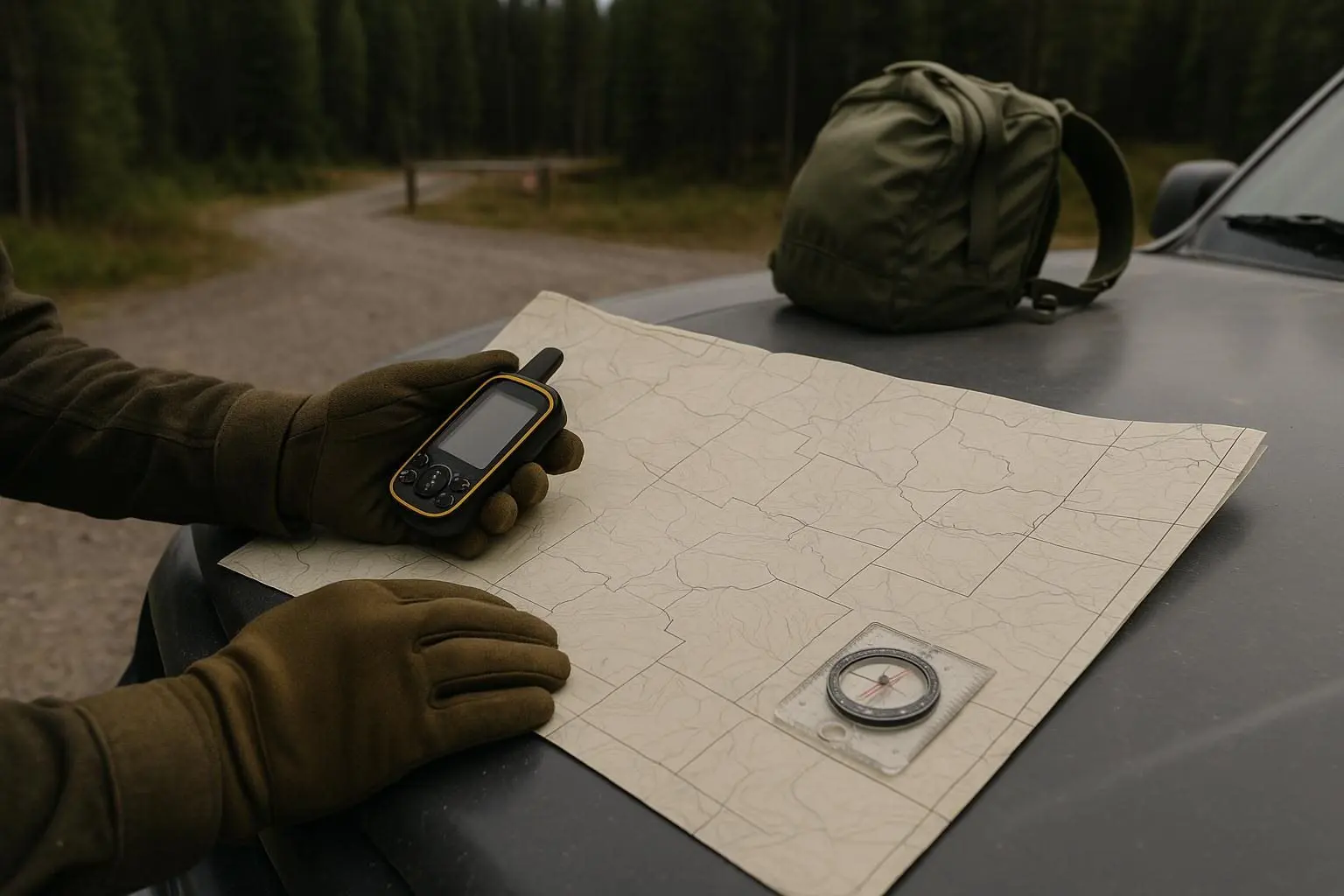
A map is a planning tool, not a guarantee. Use it to identify access, parking, boundaries, steep ground, water crossings and places where a quiet approach could become noisy. Compare that information with permissions, closures and conditions on the ground.
A pre-season walk can reveal what satellite imagery misses: a tree, washed-out trail, livestock, active logging, a locked gate or a popular recreation route. It also helps you choose a turnaround point. A route that is technically possible may leave little time for a calm setup or safe return.
Tell a trusted person where you will park, which general area you plan to use and when you expect to check in. Treat the route as a plan, not a promise to take an animal. Conditions, visibility, wind, other users and animal behavior may justify changing course.
Test the equipment you already own
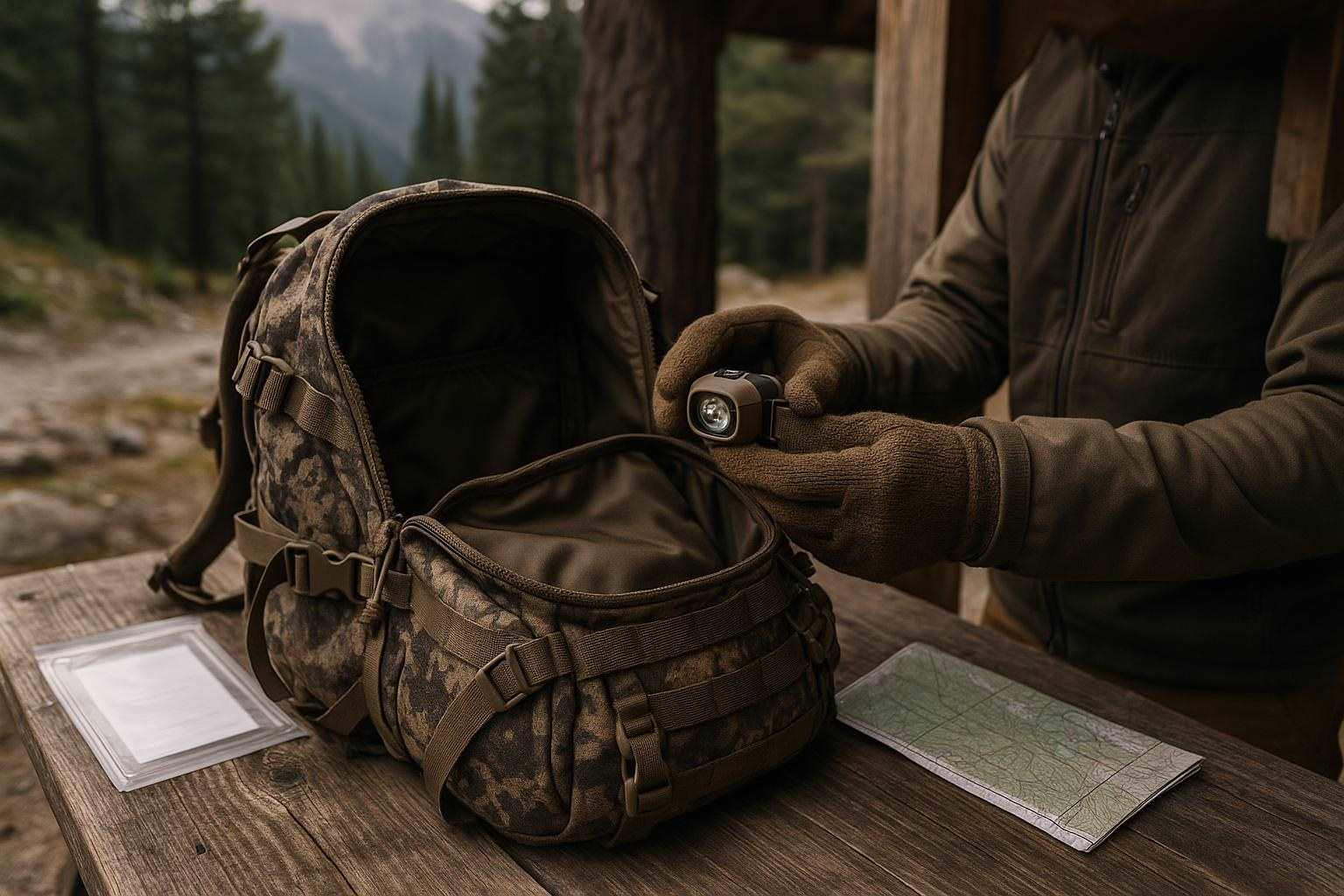
Before buying anything inspect the equipment that affects comfort and control: footwear rain layers, pack straps, optics, headlamp, navigation tools, first-aid supplies and food or water containers.
Wear boots on ground rather than assuming they still fit. Look for soles cracked waterproofing, worn laces and hot spots that could become blisters. Test every light with the batteries you will carry and store batteries so they cannot short against metal objects. Confirm that your phone, charger and navigation system work in the conditions you expect.
The best choice is often a trade-off. A large pack carries comfort items but can encourage overloading; a lightweight rain shell saves space but may be less pleasant during extended wet weather. Choose based on terrain, forecast, distance from the vehicle and the consequences of failure, not a gear list copied from someone Hunt.
Make decisions before pressure arrives
hunting depends on judgment when excitement, fatigue or limited visibility narrow attention. Decide in advance what a responsible opportunity looks like for your equipment, skill level, shooting conditions and ability to recover an animal. If the answer is uncertain. Pass.
Include identification, backstop awareness, safe handling, recovery time and the possibility that tracking will take longer than expected. Do not let a day difficult access or fear of going home empty-handed push you past a boundary set while thinking clearly.
A short practice session can expose problems without live-hunt pressure. Work on loading and unloading steady use of optics, movement with your pack and the tasks required after a legal harvest. Follow training and range rules and never modify equipment in ways that compromise safety or legality.
Keep one checklist
Use a checklist for the actual trip review it the night before and check it again before leaving the vehicle.
– Current license, permit, tag and regulations checked
– Legal access, boundaries, closures and parking confirmed
– Weather, daylight, route and return plan reviewed
– Boots, clothing, pack, optics, navigation and lights inspected
– Water, food first-aid supplies and emergency communication packed
– Safe handling and recovery decisions made before the hunt
– Trusted contact given the route and expected check-in time
The checklist should catch omissions not replace judgment. If conditions change, stop and reassess than forcing the original plan.
Leave the ground in shape
Conservation is part of preparation because future hunting depends on healthy habitat, responsible access and public trust. Learn expectations for gates, parking, campfires, waste, sanitation and vehicle travel. Stay on surfaces where practical avoid damaging wet ground and do not create shortcuts, around barriers or sensitive areas.
Observe wildlife without disturbing it before the season. Do not crowd areas, bedding cover or watering sites to improve a scouting opportunity. Pack out what you bring in collect spent materials and report access problems or suspected violations through the official channel rather than confronting other users.
A smooth hunting day is measured not by what happens after an opportunity appears. It is also the result of arriving moving safely making a disciplined decision and treating habitat as shared rather than consumed. Those habits reduce trouble and leave more room for what cannot be scheduled: paying attention.