Navigating Public Land: Essential Boundary Checks, for Your Hunting Adventures
Hunting on land gives chances but it also has its own set of challenges that come from misunderstandings about access and rules. Even if a piece of land looks simple on a planning app it can be very different when you are actually there. Locked gates and private land can make things harder. Also old maps may not show rules. So doing a check of the boundaries is important to make sure your hunt is safe and done the way.
Learn from Official Sources
map apps can help plan your way. They should not be the only thing you use. The first step is to find out which group is in charge of the land you want to hunt. This can be a state local group. Look at their materials to get the rules and any notices.
Check all the details: road conditions, any places that are closed for a while fire rules and any special permits needed for your hunt. Remember, rules can change quickly sometimes even after you save a map. Before you go make sure to check these details. Each area has its rules and they can change depending on the animal or place. It is better to use the newest official information instead of old summaries or what others say. Write down the date when you get this information as it can help you check your plans again later.
Understand Ownership and Access Rights
Just because a place looks like it is public does not mean you can go there legally. Ownership, permission to hunt and how you get in are things that need to be handled
Start by looking at the route you plan to take from a place where you are allowed to enter to where you want to hunt. Check if the roads are open if some places are only open at times and if any part of your way goes through land. Sometimes even if land is public it may not have a way or have small paths that are not easy to see. Make sure you are not using maps that might show the way in or the wrong routes.
If you need to use a road that belongs to someone or go through their land make sure you get their permission before the hunting season starts. If there is any confusion about how to get in it's better to find another way. It is better to take a path than to have a problem with a locked gate.
Make a Safety Zone for Boundaries
On the land the lines between properties can be hard to find. Fences may have changed over time. Rivers can move, trees can. Weather can make it hard to see. To keep safe don't just rely on one map or tool.
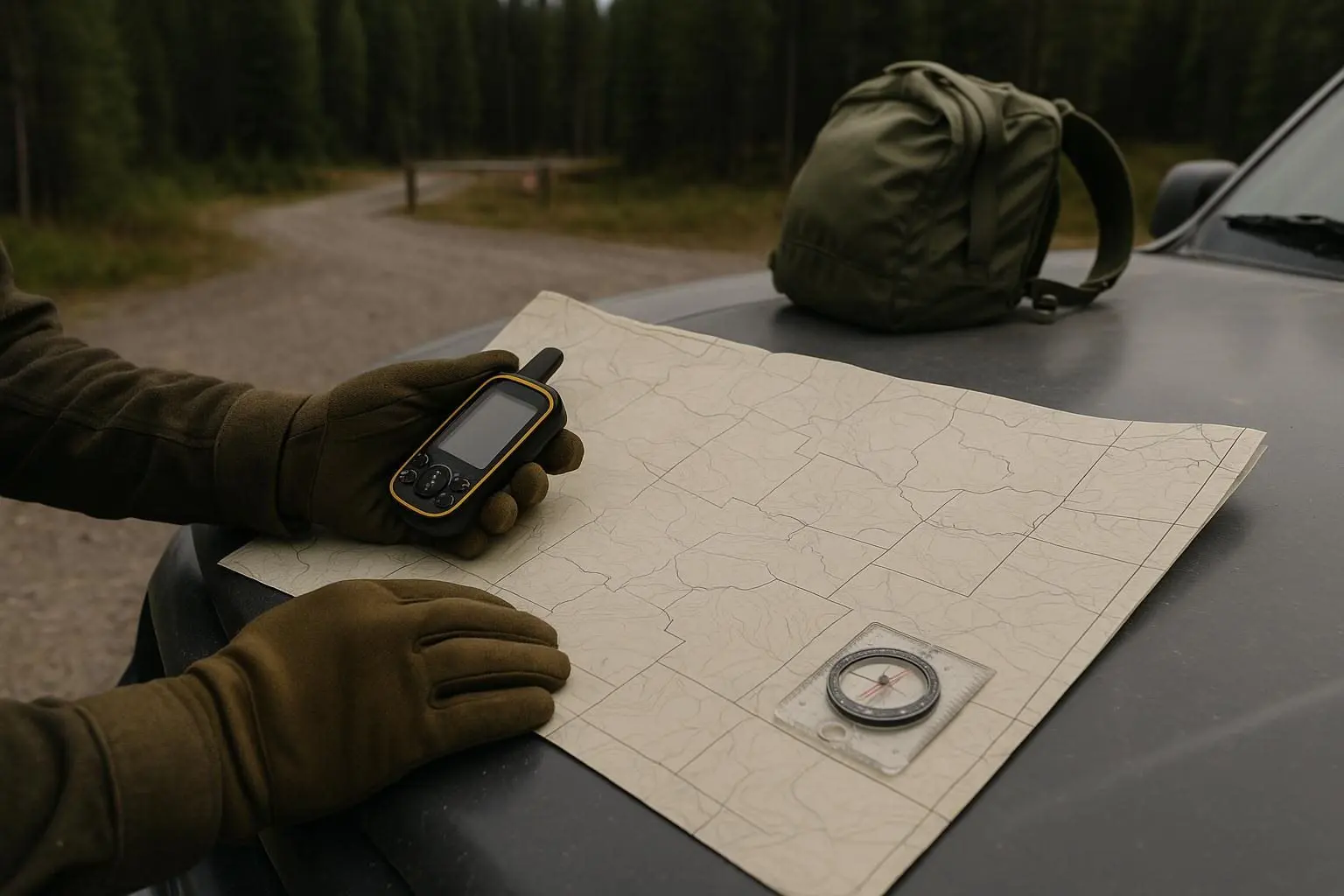
Use ways to find your way: use maps that work without internet check with a compass and look for things that're easy to recognize in the land. Mark where you plan to hunt, where you will enter, where you can leave and where you must avoid because it is private. Download the maps you need before you go so you don't need internet and always carry a paper map and compass as backups.
Remember, a safety zone is not a distance but a way to help you stay safe. If you can't be sure where the lines are move to places where you're certain about where you're. This not follows the rules. Also helps keep you safe around other people and animals.
Be Careful with the Land You Walk On
The places might not always be the best for hunting. The way to get to a spot might go through areas, thick bushes or places that are not safe.
When you look at where you will hunt do it during the day. Pay attention to the ground. Note any rocks, fallen branches, dangerous water crossings or icy spots. It is important to choose safety over trying to get to a place. Set up points where you will stop to wait or get your gear if things get worse.
If there is a difference between your maps. What you see, stop and think again. Don't ignore what your tools say or jump to conclusions about where the linesre
Think About the Environment
While you plan your way remember how your choices affect the nature around you. Going through areas often causes lasting damage, like paths or disturbed places that hurt animals.
Before you go check if there are any signs about trails, areas being fixed places where birds are nesting or other environmental issues. When you can use the roads and trails that're already there and don't park in ways that stop others from getting in. Always be nice to gates. Take all your trash, including food leftovers and things you used temporarily.
If you see an area that's too busy or under much pressure change your plans instead of forcing your way in. Letting the land rest helps both animals and future visitors.
Final Check Before You Go
When you get ready for your trip make sure to go through a check the night before:
– Make sure you know the dates for the season the rules for hunting and the papers you need.
– Look at the agencys website again for any closures or special rules.
– Check your maps against the offline ones and make sure you highlight the private areas and the places you can enter.
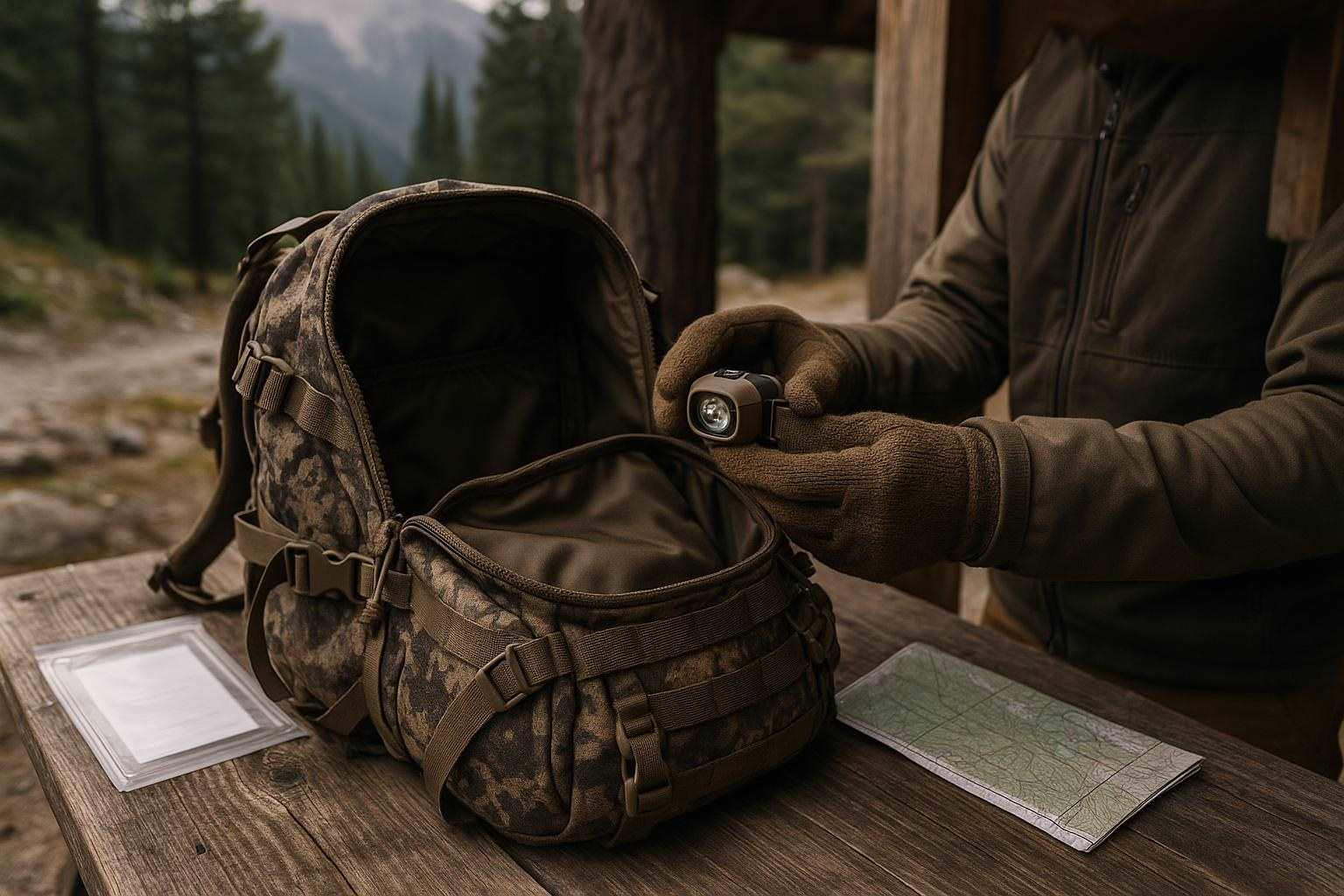
– Pack all the tools you need like charged phones, a paper map, a compass, a light, food, water, first-aid stuff and clothes that fit the weather.
– Tell someone you trust about your plan, including where you're going when you expect to come and what to do if something happens.
This quick check makes sure your trip matches the world you are going into.
Be Ready to Change Your Plans
A good hunting plan is always ready to change. If you face things like roads, confusing lines, dangerous conditions or unclear rules be ready to change your plan. Look for places to go or if you have to take a day off from hunting.
Hunting on land needs patience; success is not about what you catch. Making the choices-following the rules respecting the land and staying safe-builds a base, for hunting that lasts beyond just the season.